
There are trips you plan, and then there are trips that happen to you — that open something inside you you didn’t know was closed. My four days in Srinagar, from May 29 to June 1, 2026, belonged entirely to the second kind.
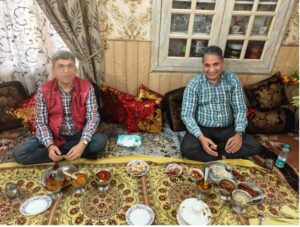
It began, as all good journeys should, with unexpected warmth. I went straight from the airport to a friend’s home, and the hospitality that greeted me was extraordinary — a lovingly prepared vegetarian spread, no onion, no garlic, made entirely with me in mind. People had been waiting for hours just to share a cup of tea. That kind of welcome doesn’t just fill the stomach; it fills something far deeper.
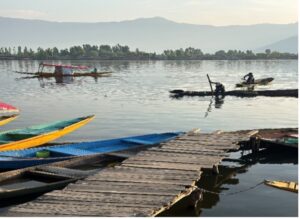
On the morning of May 30th, I rose at 6 a.m. and walked to Dal Lake. Shankaracharya temple doesn’t open until 7:30, so I had an hour entirely to myself on the banks of that shimmering water. Birds called out from the reeds. Walkers passed in the soft light. The sun rose slowly, painting everything amber and gold. It was the kind of stillness that asks nothing of you except to be present.
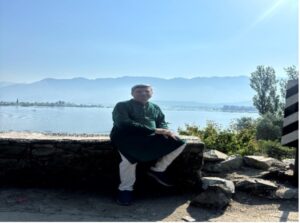
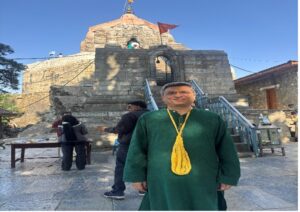
When the temple opened, I climbed the hill and sat in meditation at the very spot where Adi Shankaracharya himself, thousands of years ago, performed his tapasya. How does one describe such a moment? The air felt different there, older, steadier, infused with centuries of devotion. The view of the valley below was breathtaking, but it was the silence inside the temple that truly undid me. Some experiences don’t fit into words; they simply become part of who you are.
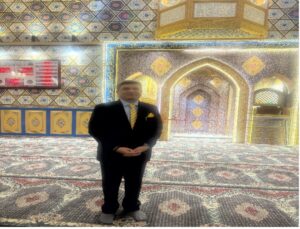
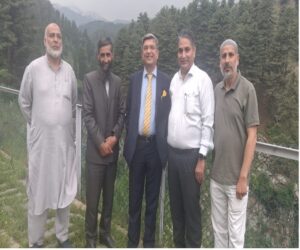
The day continued with a meeting at NIT Srinagar, followed by a visit to Hazratbal mosque, where something unexpected and beautiful happened. A man approached me — someone who appeared to have a mental disability — and he embraced me with such pure, uninhibited affection that I felt my heart open completely. I was photographed inside Hazratbal, and I carry that image with me now as a reminder of the uncomplicated love a stranger can offer.
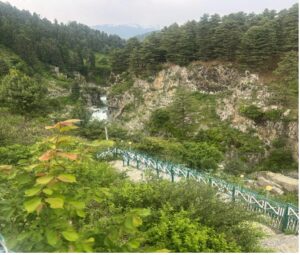
That afternoon, we drove to a school in Kulgam, a scenic journey through valleys and mountain roads. I spoke to around 100 teachers about the future of technology in education, about the changes coming and the adaptations required of us all. After lunch, we went to see a waterfall at Aharabal. I have seen many beautiful things in my life. I have not seen anything quite like that.
The third day was a Sunday and a Purnima, a full moon night and an auspicious one, falling on the Adhik Maas, the extra month in the Hindu calendar. A day traditionally dedicated to remembering those who have passed on. We were to stay in a houseboat that night, so in the morning we deposited our luggage on board and set out.
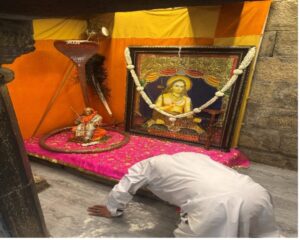
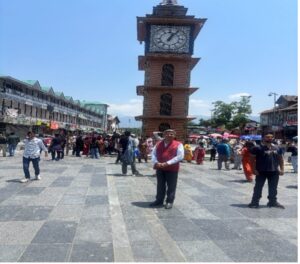
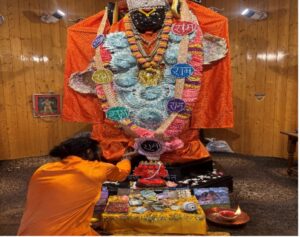
First, we attempted to reach the Mangaleshwar Bhairav temple, a small island shrine about 20 metres from the shore. No boat came to receive us, so we moved on to Lal Chowk, the famous square at the heart of Srinagar. Nearby, I visited a Panchmukhi Hanuman temple of extraordinary antiquity. A priest showed me photographs of the five faces of Lord Hanuman, a great Shivling, and many other things that made the space feel layered with centuries of prayer.
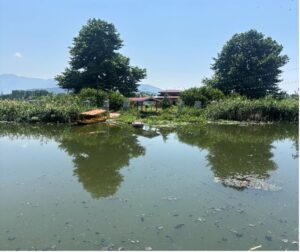
We returned to the island Shri Shri Mangaleshwar Bhairav temple in the afternoon. This time, a boat came. I stepped onto the island and sat in meditation for two hours, entirely alone except for a Muslim caretaker who tended to the temple with genuine reverence. There are no words for what happens in such a place, in such company.
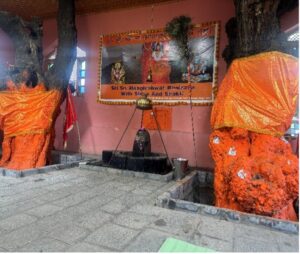
Mr. Khursheed Mahajan then took me to a Shiva temple near his home, hundreds of years old, with a Gupta Ganga where the Vaman avatar is said to have performed penance. On this most auspicious of days, I was able to perform puja for my parents and elders. After that came a 2,600-year-old Buddhist site, Harwan, associated with Nagarjuna, a disciple of the Buddha, and then a 7,000-year-old Neolithic site, Burzahom, all within Srinagar. Children played around the ancient stones, completely unbothered by history beneath their feet.
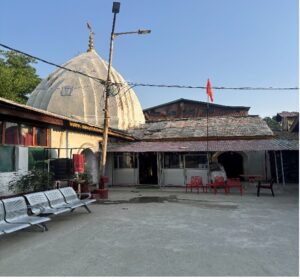
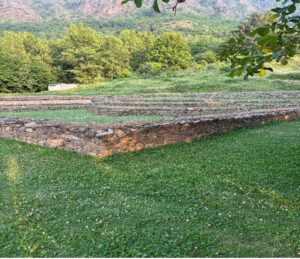
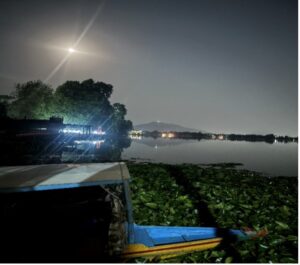
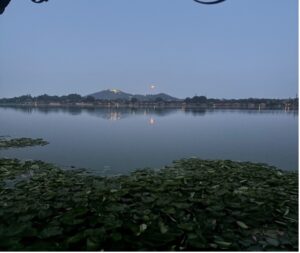
That evening on the houseboat, after dinner, I sat on the outside balcony from quarter to nine until eleven o’clock. The full moon rose over the lake. Its light spread across the water like something deliberate, something meant. The silhouettes of Shankaracharya temple and Durga Devi temple were visible on the hills. I didn’t move. I simply watched.
At quarter to five in the morning, I woke and went outside again. The moon had crossed to the other side of the sky. It was enormous — low and full and luminous. I prayed in gratitude for being shown something so rare. Some sights make you feel undeserving of your own good fortune.
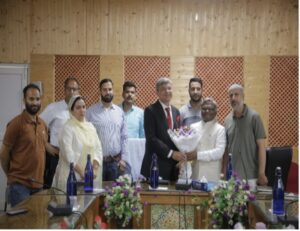
The final morning began with apples and cherries and a lecture on artificial intelligence at the Central University of Kashmir — students, faculty, and the Vice Chancellor all present. Education and technology, two things I care deeply about, in a place that deserves both.
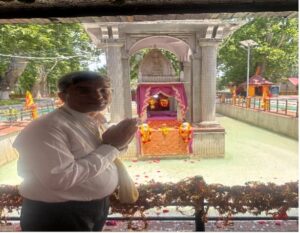
Last of all: Kheer Bhavani temple. I received the goddess’s blessings and sat down to a Kashmiri lunch — all vegetarian, no onion, no garlic, full of flavour and care — with a professor who has become a dear friend. Then, straight to the airport and back to Delhi.
Recent Comments